Buy wordpress4u.com ?
We are moving the project
wordpress4u.com .
Are you interested in purchasing the domain
wordpress4u.com ?
domain@kv-gmbh.de · 0541-91531010
Buy wordpress4u.com ?
Are wages liabilities?
Yes, wages are considered liabilities for a company because they represent an obligation to pay employees for their work. From an accounting perspective, wages are typically recorded as a liability on the company's balance sheet until they are paid to the employees. This reflects the company's obligation to fulfill its financial commitments to its employees. Therefore, wages are classified as a liability until they are settled. **
What are liabilities and receivables?
Liabilities are obligations or debts that a company owes to external parties, such as loans, accounts payable, or accrued expenses. They represent the company's financial responsibilities that must be settled in the future. Receivables, on the other hand, are amounts owed to a company by its customers or other parties for goods or services provided. They represent the company's right to receive payment and are considered assets on the company's balance sheet. Both liabilities and receivables are important components of a company's financial position and are crucial for assessing its overall financial health. **


Similar search terms for Liabilities
Top-Angebote
Products related to Liabilities:
-
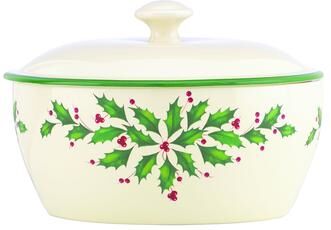
Lenox Hosting The Holidays Covered CasseroleThis Hosting the Holidays Casserole Dish is ideal for serving large dinner parties. Crafted of durable ivory porcelain, this spacious dish features a festive holly motif and comes with a matching lid.45,99 $*Shipping: 0,00 $Secure redirect to the provider
-
Lenox Hosting The Holidays Bread TrayWhether presenting an assortment of rolls or a buttery log of Texas toast, this festive ceramic Hosting the Holidays Bread Tray will not disappoint. The tray features a holly motif and is accented with 24-karat gold.44,49 $*Shipping: 0,00 $Secure redirect to the provider
-
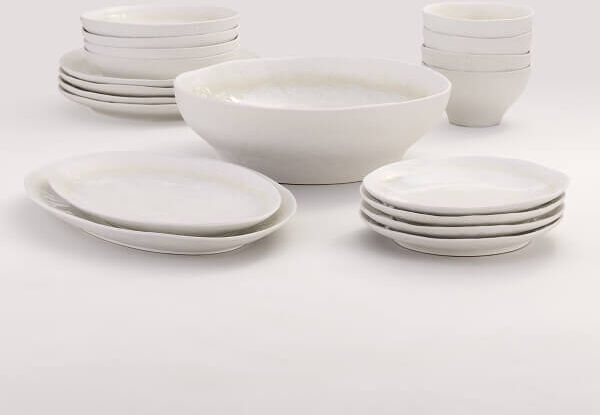
Stellar Stoneware Bantham Hosting For 4 SetIntroduce calm, contemporary style to your table with the Stellar Stoneware Bantham collection. Defined by smooth, modern contours and a soft green reactive glaze, each piece brings a fresh, artisan-inspired feel to everyday dining. Crafted from durable stoneware and fired for exceptional strength, the range offers excellent resistance to chipping and everyday wear. The naturally smooth glazed finish resists staining, cleans with ease, and provides a reassuringly balanced feel in hand. Its thick stoneware construction also enhances heat retention, helping dishes stay warmer for longer. Designed for modern living, every piece is microwave, dishwasher, and oven safe (up to 180°C), making the collection as practical as it is elegant—ideal for both daily use and relaxed entertaining. Set includes: 4 dinner plates, 4 side plates, 4x pasta bowls, 4 cereal bowls, 1x medium platter, 1x large platter and 1x serving bowl.199,95 £*Shipping: 0,00 £Secure redirect to the provider
-
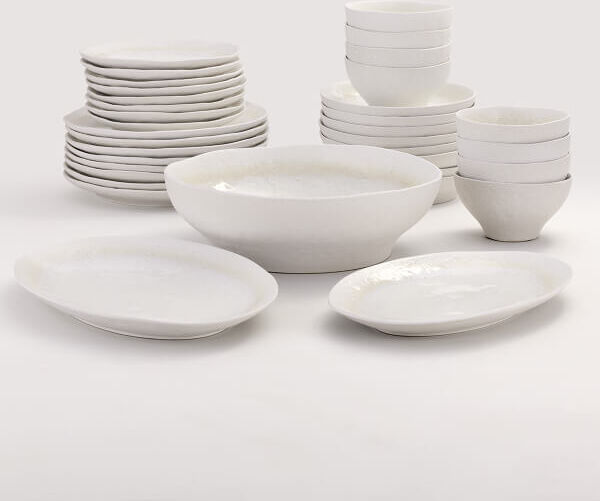
Stellar Stoneware Bantham Hosting For 8 SetIntroduce calm, contemporary style to your table with the Stellar Stoneware Bantham collection. Defined by smooth, modern contours and a soft green reactive glaze, each piece brings a fresh, artisan-inspired feel to everyday dining. Crafted from durable stoneware and fired for exceptional strength, the range offers excellent resistance to chipping and everyday wear. The naturally smooth glazed finish resists staining, cleans with ease, and provides a reassuringly balanced feel in hand. Its thick stoneware construction also enhances heat retention, helping dishes stay warmer for longer. Designed for modern living, every piece is microwave, dishwasher, and oven safe (up to 180°C), making the collection as practical as it is elegant—ideal for both daily use and relaxed entertaining. Set includes: 8 dinner plates, 8 side plates, 8x pasta bowls, 8 cereal bowls, 1x medium platter, 1x large platter and 1x serving bowl324,95 £*Shipping: 0,00 £Secure redirect to the provider


-
How are the assets and liabilities evaluated?
Assets and liabilities are evaluated based on their current market value or book value. For assets, this means determining their fair market value, which is the price that they could be sold for in the current market. Liabilities are evaluated based on their current outstanding balance or the amount that is owed. This evaluation helps to determine the financial health and position of a company, as well as its ability to meet its financial obligations. **
-
What are transitory assets and/or liabilities?
Transitory assets and/or liabilities are items on a company's balance sheet that are expected to be settled or used up within a relatively short period of time, typically within one year. These items are considered to be temporary in nature and are not expected to have a long-term impact on the company's financial position. Examples of transitory assets include cash, accounts receivable, and inventory, while examples of transitory liabilities include accounts payable and short-term debt. It is important for investors and analysts to understand the nature of these transitory items when evaluating a company's financial health and performance. **
-
Why is equity on the liabilities side?
Equity is placed on the liabilities side of the balance sheet because it represents the claims of the company's owners or shareholders on the company's assets. It is considered a liability because the company has an obligation to its owners to repay their investment in the business. However, unlike other liabilities, equity does not have a fixed repayment schedule and is considered a residual claim, meaning it is only paid out after all other liabilities have been settled. Therefore, equity is categorized as a liability on the balance sheet to accurately reflect the financial obligations of the company. **
-
How can accounting, liabilities, and receivables be interconnected?
Accounting, liabilities, and receivables are interconnected in the sense that they all play a role in a company's financial health. Liabilities are debts or obligations that a company owes, which are recorded on the balance sheet as part of the accounting process. Receivables, on the other hand, represent money owed to the company by its customers or clients, and are also recorded on the balance sheet as assets. The relationship between these two is that receivables can eventually become liabilities if they are not collected in a timely manner, which can impact the company's financial position. Therefore, proper accounting practices are essential to accurately track and manage both liabilities and receivables to ensure the company's financial stability. **
What is a statement of assets and liabilities?
A statement of assets and liabilities is a financial document that provides a snapshot of an individual's or organization's financial position at a specific point in time. It lists all the assets, such as cash, investments, property, and equipment, as well as all the liabilities, such as loans, mortgages, and other debts. The statement helps to assess the overall financial health and solvency of the entity by comparing the total assets to the total liabilities. It is an essential tool for financial planning, decision-making, and assessing the ability to meet financial obligations. **
How can liabilities be settled in other ways?
Liabilities can be settled in other ways through various means such as debt restructuring, where the terms of the debt are renegotiated to make it more manageable for the debtor. Another way is through debt-for-equity swaps, where the creditor agrees to convert the debt into an ownership stake in the debtor's company. Additionally, liabilities can be settled through the sale of assets, where the debtor sells off assets to generate cash to pay off the liabilities. Finally, some liabilities can be settled through the issuance of new debt to replace the existing liabilities, known as refinancing. **
Top-Angebote
Products related to Liabilities:
-
Lenox Hosting The Holidays Covered CasseroleThis Hosting the Holidays Casserole Dish is ideal for serving large dinner parties. Crafted of durable ivory porcelain, this spacious dish features a festive holly motif and comes with a matching lid.45,99 $*Shipping: 0,00 $Secure redirect to the provider
-
Lenox Hosting The Holidays Bread TrayWhether presenting an assortment of rolls or a buttery log of Texas toast, this festive ceramic Hosting the Holidays Bread Tray will not disappoint. The tray features a holly motif and is accented with 24-karat gold.44,49 $*Shipping: 0,00 $Secure redirect to the provider
-
Are wages liabilities?
Yes, wages are considered liabilities for a company because they represent an obligation to pay employees for their work. From an accounting perspective, wages are typically recorded as a liability on the company's balance sheet until they are paid to the employees. This reflects the company's obligation to fulfill its financial commitments to its employees. Therefore, wages are classified as a liability until they are settled. **
-
What are liabilities and receivables?
Liabilities are obligations or debts that a company owes to external parties, such as loans, accounts payable, or accrued expenses. They represent the company's financial responsibilities that must be settled in the future. Receivables, on the other hand, are amounts owed to a company by its customers or other parties for goods or services provided. They represent the company's right to receive payment and are considered assets on the company's balance sheet. Both liabilities and receivables are important components of a company's financial position and are crucial for assessing its overall financial health. **
-
How are the assets and liabilities evaluated?
Assets and liabilities are evaluated based on their current market value or book value. For assets, this means determining their fair market value, which is the price that they could be sold for in the current market. Liabilities are evaluated based on their current outstanding balance or the amount that is owed. This evaluation helps to determine the financial health and position of a company, as well as its ability to meet its financial obligations. **
-
What are transitory assets and/or liabilities?
Transitory assets and/or liabilities are items on a company's balance sheet that are expected to be settled or used up within a relatively short period of time, typically within one year. These items are considered to be temporary in nature and are not expected to have a long-term impact on the company's financial position. Examples of transitory assets include cash, accounts receivable, and inventory, while examples of transitory liabilities include accounts payable and short-term debt. It is important for investors and analysts to understand the nature of these transitory items when evaluating a company's financial health and performance. **
Similar search terms for Liabilities
-
Stellar Stoneware Bantham Hosting For 4 SetIntroduce calm, contemporary style to your table with the Stellar Stoneware Bantham collection. Defined by smooth, modern contours and a soft green reactive glaze, each piece brings a fresh, artisan-inspired feel to everyday dining. Crafted from durable stoneware and fired for exceptional strength, the range offers excellent resistance to chipping and everyday wear. The naturally smooth glazed finish resists staining, cleans with ease, and provides a reassuringly balanced feel in hand. Its thick stoneware construction also enhances heat retention, helping dishes stay warmer for longer. Designed for modern living, every piece is microwave, dishwasher, and oven safe (up to 180°C), making the collection as practical as it is elegant—ideal for both daily use and relaxed entertaining. Set includes: 4 dinner plates, 4 side plates, 4x pasta bowls, 4 cereal bowls, 1x medium platter, 1x large platter and 1x serving bowl.199,95 £*Shipping: 0,00 £Secure redirect to the provider
-
Stellar Stoneware Bantham Hosting For 8 SetIntroduce calm, contemporary style to your table with the Stellar Stoneware Bantham collection. Defined by smooth, modern contours and a soft green reactive glaze, each piece brings a fresh, artisan-inspired feel to everyday dining. Crafted from durable stoneware and fired for exceptional strength, the range offers excellent resistance to chipping and everyday wear. The naturally smooth glazed finish resists staining, cleans with ease, and provides a reassuringly balanced feel in hand. Its thick stoneware construction also enhances heat retention, helping dishes stay warmer for longer. Designed for modern living, every piece is microwave, dishwasher, and oven safe (up to 180°C), making the collection as practical as it is elegant—ideal for both daily use and relaxed entertaining. Set includes: 8 dinner plates, 8 side plates, 8x pasta bowls, 8 cereal bowls, 1x medium platter, 1x large platter and 1x serving bowl324,95 £*Shipping: 0,00 £Secure redirect to the provider
-
Stellar Stoneware Mylor Hosting For 4 SetElevate everyday dining with the Stellar Stoneware Mylor collection, defined by its rich reactive glaze that gives each piece a subtly unique character. Blending warmth with understated style, Mylor brings a considered, artisanal touch to both casual meals and relaxed entertaining. Crafted from durable stoneware and fired for strength, each piece is designed to withstand daily use while maintaining its refined appearance. Plates and bowls are thoughtfully weighted for a balanced, comfortable feel in hand—offering reassuring sturdiness without compromising elegance. The thick stoneware construction also provides excellent heat retention, helping dishes stay warmer for longer. Designed for modern living, the collection is microwave and dishwasher safe, and suitable for oven use up to 180°C—ideal for everything from reheating to finishing dishes. Set includes: 4 dinner plates, 4 side plates, 4x pasta bowls, 4 cereal bowls, 1x medium platter, 1x large platter and 1x serving bowl.199,95 £*Shipping: 0,00 £Secure redirect to the provider
-
Stellar Stoneware Mylor Hosting For 8 SetElevate everyday dining with the Stellar Stoneware Mylor collection, defined by its rich reactive glaze that gives each piece a subtly unique character. Blending warmth with understated style, Mylor brings a considered, artisanal touch to both casual meals and relaxed entertaining. Crafted from durable stoneware and fired for strength, each piece is designed to withstand daily use while maintaining its refined appearance. Plates and bowls are thoughtfully weighted for a balanced, comfortable feel in hand—offering reassuring sturdiness without compromising elegance. The thick stoneware construction also provides excellent heat retention, helping dishes stay warmer for longer. Designed for modern living, the collection is microwave and dishwasher safe, and suitable for oven use up to 180°C—ideal for everything from reheating to finishing dishes. Set includes: 8 dinner plates, 8 side plates, 8x pasta bowls, 8 cereal bowls, 1x medium platter, 1x large platter and 1x serving bowl324,95 £*Shipping: 0,00 £Secure redirect to the provider
-
Why is equity on the liabilities side?
Equity is placed on the liabilities side of the balance sheet because it represents the claims of the company's owners or shareholders on the company's assets. It is considered a liability because the company has an obligation to its owners to repay their investment in the business. However, unlike other liabilities, equity does not have a fixed repayment schedule and is considered a residual claim, meaning it is only paid out after all other liabilities have been settled. Therefore, equity is categorized as a liability on the balance sheet to accurately reflect the financial obligations of the company. **
-
How can accounting, liabilities, and receivables be interconnected?
Accounting, liabilities, and receivables are interconnected in the sense that they all play a role in a company's financial health. Liabilities are debts or obligations that a company owes, which are recorded on the balance sheet as part of the accounting process. Receivables, on the other hand, represent money owed to the company by its customers or clients, and are also recorded on the balance sheet as assets. The relationship between these two is that receivables can eventually become liabilities if they are not collected in a timely manner, which can impact the company's financial position. Therefore, proper accounting practices are essential to accurately track and manage both liabilities and receivables to ensure the company's financial stability. **
-
What is a statement of assets and liabilities?
A statement of assets and liabilities is a financial document that provides a snapshot of an individual's or organization's financial position at a specific point in time. It lists all the assets, such as cash, investments, property, and equipment, as well as all the liabilities, such as loans, mortgages, and other debts. The statement helps to assess the overall financial health and solvency of the entity by comparing the total assets to the total liabilities. It is an essential tool for financial planning, decision-making, and assessing the ability to meet financial obligations. **
-
How can liabilities be settled in other ways?
Liabilities can be settled in other ways through various means such as debt restructuring, where the terms of the debt are renegotiated to make it more manageable for the debtor. Another way is through debt-for-equity swaps, where the creditor agrees to convert the debt into an ownership stake in the debtor's company. Additionally, liabilities can be settled through the sale of assets, where the debtor sells off assets to generate cash to pay off the liabilities. Finally, some liabilities can be settled through the issuance of new debt to replace the existing liabilities, known as refinancing. **
* All prices are inclusive of VAT and, if applicable, plus shipping costs. The offer information is based on the details provided by the respective shop and is updated through automated processes. Real-time updates do not occur, so deviations can occur in individual cases. ** Note: Parts of this content were created by AI.